

Can Rectal Prolapse Surgery Improve Constipation and Fecal Incontinence?
Rectal prolapse happens when the rectum, which is the last part of the large intestine, slips down from its normal position. In early or mild cases, it stays inside the body and is not visible. In more advanced cases, it comes out through the anus, especially during straining or bowel movements.

Pelvic Floor Dysfunction: A Hidden Cause of Chronic Constipation
In Pelvic Floor Dysfunction, these muscles do not relax or contract properly. This makes it difficult to pass stool, even when the urge is present. It is a common but often ignored condition among both men and women.

Can Biofeedback Therapy Cure Chronic Constipation?
Honestly, it depends on the type of constipation you have. For patients with pelvic floor dysfunction or dyssynergic defecation (where the anal muscles tighten instead of relaxing during a bowel movement), biofeedback therapy is one of the most effective treatments available. Studies show 60–80% success rates in suitable patients.

When Should You Undergo Anorectal Manometry?
Anorectal manometry is a diagnostic test used to check how well your rectum and anal muscles are working. It measures the pressure inside these muscles and checks how well they coordinate with each other during a bowel movement
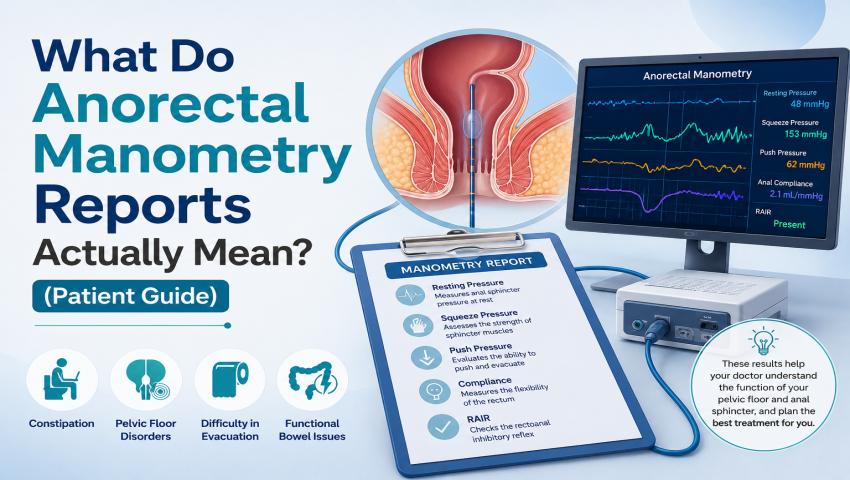
What Do Anorectal Manometry Reports Actually Mean? (Patient Guide)
Anorectal manometry is a safe, non-surgical diagnostic test. It measures how well your rectum and anal sphincter muscles work together. The anal sphincter consists of internal and external muscle rings that control the opening and closing of the anus.
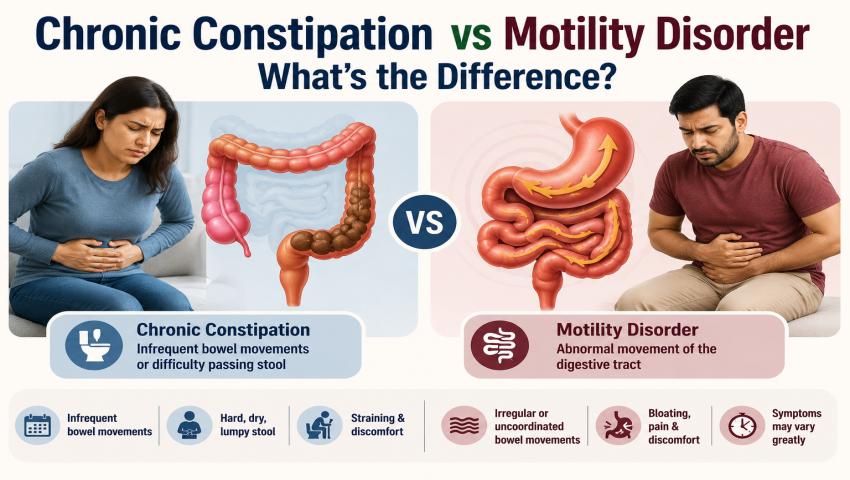
Chronic Constipation vs Motility Disorder – What’s the Difference?
Chronic constipation is more than just a "clogged" feeling. It is medically defined as having two or more of the following symptoms for at least three months: