

Can Fibre Actually Help Constipation? Common Mistakes to Avoid
Constipation troubles almost every second person in India at some point. Busy schedules, low water intake, and poor diet are common reasons.
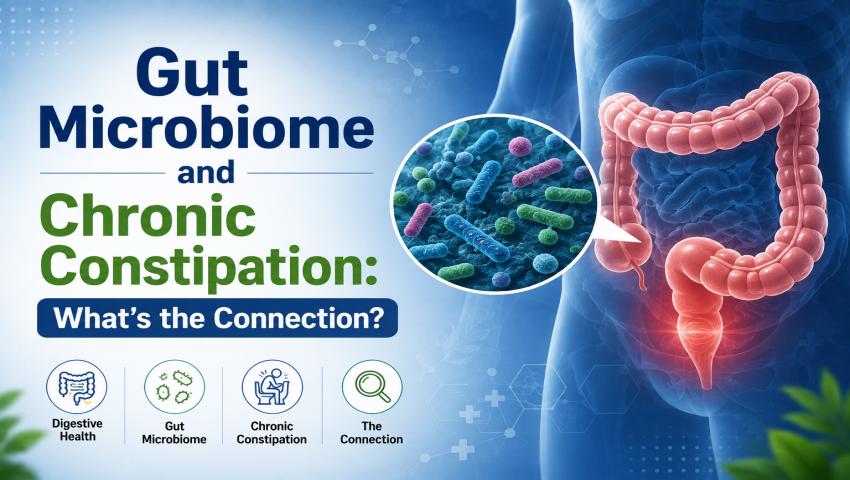
Gut Microbiome and Chronic Constipation: What’s the Connection?
The gut microbiome is a community of trillions of bacteria, viruses, and fungi living inside your intestines. Don't worry, most of these are "good" bacteria that work for your health, not against it.

Pelvic Floor Dysfunction: A Hidden Cause of Chronic Constipation
In Pelvic Floor Dysfunction, these muscles do not relax or contract properly. This makes it difficult to pass stool, even when the urge is present. It is a common but often ignored condition among both men and women.

Can Biofeedback Therapy Cure Chronic Constipation?
Honestly, it depends on the type of constipation you have. For patients with pelvic floor dysfunction or dyssynergic defecation (where the anal muscles tighten instead of relaxing during a bowel movement), biofeedback therapy is one of the most effective treatments available. Studies show 60–80% success rates in suitable patients.

When Should You Undergo Anorectal Manometry?
Anorectal manometry is a diagnostic test used to check how well your rectum and anal muscles are working. It measures the pressure inside these muscles and checks how well they coordinate with each other during a bowel movement
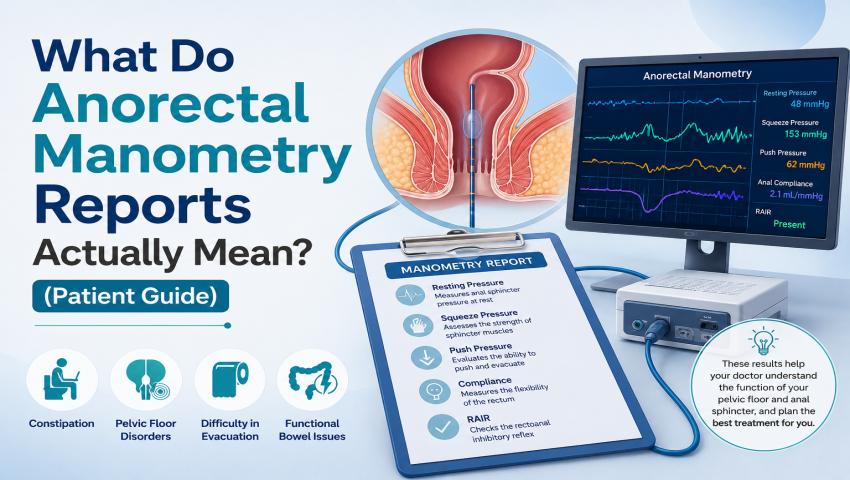
What Do Anorectal Manometry Reports Actually Mean? (Patient Guide)
Anorectal manometry is a safe, non-surgical diagnostic test. It measures how well your rectum and anal sphincter muscles work together. The anal sphincter consists of internal and external muscle rings that control the opening and closing of the anus.

Biofeedback Therapy for Constipation: Is It Right for You?
Chronic constipation can make your daily life very uncomfortable. Many people in India try laxatives, dietary changes, or home remedies. However, these solutions do not always give permanent relief. If you are struggling with long-term bowel issues, your problem might be related to poorly coordinated muscles. Biofeedback therapy for constipation […]

Biofeedback for Pelvic Floor Disorders: What You Need to Know
Many people face issues like chronic constipation, urine leakage, or pain in the lower belly. Sadly, they often suffer in silence. They feel embarrassed to speak up. These problems often happen due to a hidden cause: weak or uncoordinated lower muscles. This condition is called a pelvic floor disorder. If […]