
- 01/12/2025
- Dr. Rupali Bandgar
- 0 Comments
- Blogs
Constipation, Rectal Pressure, and Hemorrhoids: Breaking the Cycle Naturally
Digestive issues are more common than most people think. Many individuals silently suffer from constipation, rectal pressure, and hemorrhoids, assuming they are just minor inconveniences. However, when ignored, these problems can create a painful and frustrating cycle that impacts daily life and overall health. The good news is — with the right lifestyle changes and medical guidance, this cycle can be broken naturally and effectively.
Understanding the Connection Between Constipation, Rectal Pressure, and Hemorrhoids:
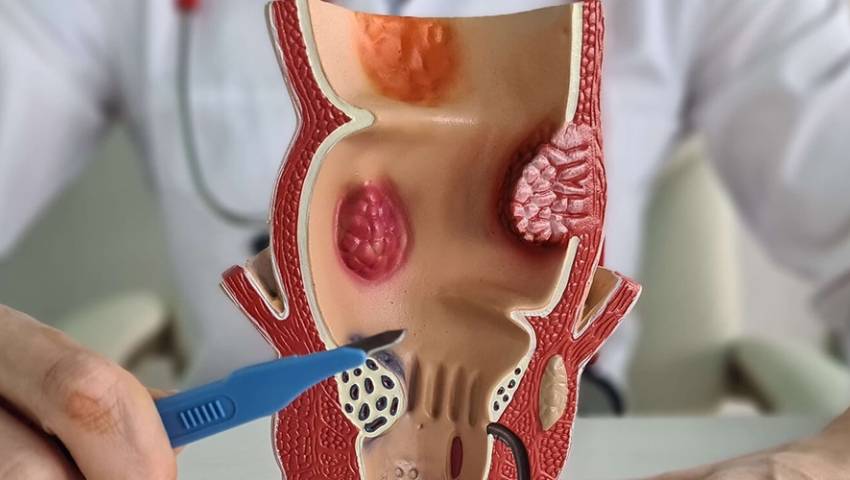
Let’s start by understanding how these issues are interconnected. Constipation occurs when bowel movements become infrequent or hard to pass. As a result, people strain excessively while passing stool, increasing rectal pressure. This ongoing strain weakens the veins around the anus, leading to hemorrhoids — swollen or inflamed blood vessels that cause pain, itching, and sometimes bleeding.
This cycle repeats itself: constipation causes straining, straining increases rectal pressure, and rectal pressure worsens hemorrhoids. Once hemorrhoids develop, they can make bowel movements even more uncomfortable, leading people to avoid going to the toilet — which, in turn, worsens constipation.
Common Causes Behind This Digestive Disturbance:
Several factors can trigger this uncomfortable trio:
- Low-fiber diet: Eating too little fiber slows bowel movements.
- Insufficient hydration: Dehydration hardens stool, making it difficult to pass.
- Sedentary lifestyle: Lack of physical movement reduces gut motility.
- Ignoring the urge to pass stool: Regularly delaying bowel movements can cause stool buildup.
- Pregnancy and obesity: Both increase abdominal pressure, contributing to hemorrhoids.
- Stress and poor eating habits: These affect digestion and overall gut health.
Natural Ways to Break the Cycle:
You don’t always have to rely solely on medications or surgery. Many people find lasting relief by adopting natural remedies and healthy lifestyle habits that support digestive function. Here are some effective strategies recommended by experts like Dr. Rupali Jankar, a trusted Gastroenterologist in Wakad, Pune, known for her holistic and patient-centered approach to digestive wellness.
- Eat Fiber-Rich Foods: A diet rich in dietary fiber helps soften stool and promotes regular bowel movements. Include whole grains, fresh fruits, vegetables, seeds, and legumes in your meals. Foods like papaya, bananas, oats, and flaxseeds work wonders for improving gut health.
- Stay Hydrated: Water plays a vital role in digestion. Drinking at least 8–10 glasses of water daily helps prevent constipation by keeping stool soft. Herbal teas and natural fruit-infused water are great additions, too.
- Develop a Healthy Toilet Routine: Avoid delaying bowel movements when you feel the urge. Try to visit the restroom at a consistent time each day, preferably after meals. Using a small footstool to elevate your legs while sitting on the toilet can align your rectum naturally, reducing strain and rectal pressure.
- Keep Moving: Physical activity stimulates bowel movement. Brisk walking, yoga, or light exercise for 30 minutes daily can significantly reduce the chances of constipation and hemorrhoids. Yoga poses like Pavanmuktasana and Malasana are particularly beneficial for improving digestion and relieving bloating.
- Manage Stress and Get Enough Sleep: Mental health has a direct impact on digestive health. Chronic stress can affect gut motility, making constipation worse. Relaxation techniques such as meditation, deep breathing, and adequate sleep promote overall wellness.
- Avoid Straining: Never push or strain too hard while passing stool. If you feel pressure, take your time and relax. Using natural stool softeners or mild laxatives under medical supervision can help in chronic cases.
- Seek Professional Help When Needed: Persistent constipation, bleeding, or rectal pain should never be ignored. Consulting a specialist ensures proper diagnosis and treatment. Dr. Rupali Jankar, an experienced Gastroenterologist in Pune, provides personalized care and guidance to address these issues effectively using safe and evidence-based methods.
When to Visit a Doctor?
While mild constipation or occasional rectal pressure can often be managed at home, you should see a doctor if you experience:
- Blood in stool
- Persistent pain or itching around the anus
- Severe constipation lasting more than a week
- A feeling of incomplete evacuation
- Noticeable lumps or swelling near the rectum
Early intervention can prevent complications and improve quality of life. Dr. Rupali Jankar and her team specialize in diagnosing and managing digestive and anorectal disorders with advanced yet patient-friendly treatments.
About Dr. Rupali Jankar:
Dr. Rupali Jankar is a reputed Gastroenterologist in Wakad, Pune, specializing in digestive health and anorectal disorders. With a compassionate approach and years of experience, she helps patients overcome problems like chronic constipation, piles (hemorrhoids), fissures, and other gastrointestinal concerns through a blend of modern medicine and natural care.
If you’ve been struggling with constipation or hemorrhoids, it’s time to seek expert advice and break the cycle naturally with professional guidance from Dr. Rupali Jankar.